What to check before booking a desert buggy ride
@dunebuggydubaicentral
Booking a desert buggy ride should feel exciting, not uncertain. The desert is a place where small details matter: the vehicle, the route, the safety gear, the timing and the way the day is organised. Before paying for a slot, it helps to look past the photos and ask practical questions. A good booking decision usually comes down to fit, clarity and basic safety awareness.
The first thing to check is whether the ride matches the people going. A child, a nervous first-time driver and an experienced off-road rider will all need different conditions. Some routes are gentle and open, with room to stop and take in the sand dunes. Others are faster, more technical and better suited to people who already understand how an off-road vehicle behaves on loose ground. If the booking page or enquiry does not make the difficulty clear, ask before committing. The aim is to choose a ride that feels challenging enough to be fun without putting anyone outside their comfort zone.
Vehicle type and basic condition
Start by finding out what kind of buggy is being offered. Engine type affects power, response and how easy the vehicle feels to control. A smaller engine may be calmer for new drivers, while a stronger one can be enjoyable on open desert terrain but less forgiving if the driver is unprepared. Seating layout matters too. Side-by-side models feel more stable to some people, while single-seat buggies can feel more direct and exposed. Neither option is automatically better. The right choice depends on confidence, group size and the kind of route being planned.
Condition is just as relevant as specifications. Reliable operators pay attention to tyres, steering, brakes, suspension and seat fittings. From a rider's point of view, warning signs include vague steering, uneven tyre wear, loose seating, odd noises or a vehicle that seems hard to keep straight on firm ground. No rider should try to repair mechanical problems in the desert. If something looks wrong, it is sensible to raise it before the ride starts and let a qualified professional deal with it.
Tyre pressure is another point worth asking about. Sand driving depends on the vehicle floating over soft ground rather than digging into it. Pressure that suits a paved road may feel very different on a dune slope. The exact setting depends on the buggy, tyre size, load and terrain, so this is not a detail to guess. A sensible operator will treat it as part of normal preparation.

Safety gear and riding rules
Safety equipment should be part of the booking conversation, not an afterthought. Ask what protective items are provided and what riders should bring. A helmet should fit properly, sit level and fasten securely. A safety harness should be adjusted so it holds the body snugly without twisting or rubbing. Gloves and eye protection can also make a real difference, especially when dust rises or the wind picks up. Loose scarves, long dangling accessories and unsecured bags are best avoided around moving vehicles.
It is also worth checking how the ride is supervised. Clear briefings, route boundaries, hand signals and stop procedures help everyone understand what to expect. Desert terrain changes quickly, and a rider who can see the line ahead still needs to know how the group will behave. Ask whether there is a lead vehicle or guide, how regrouping works, and what happens if someone wants to slow down. These questions are practical, not awkward. They show that the rider takes the day seriously.
- Protective fit: Confirm that helmet sizes and harness adjustment are handled before departure, because gear that is too loose or too tight can distract from driving.
- Driver rules: Check age limits, licence expectations and passenger rules so the whole group is eligible and prepared.
- Route limits: Ask where the buggy may be driven and which areas are off limits, since protected ground and steep faces may be restricted.
- Stop signals: Learn the basic signals used for slowing, stopping and seeking help, particularly if dust reduces visibility.
- Emergency plan: Find out how communication, first aid and recovery are handled if a vehicle gets stuck or a rider feels unwell.
Route, timing and desert conditions
The route shapes the whole experience. Some people picture wide open dunes and long stretches of sand, while others expect a mixed path with firmer tracks and shorter thrills. Ask what the route includes and how long the driving portion lasts. A short session can still feel full if the terrain is varied. A longer outing can become tiring if there are few breaks or if the pace is constant. Think about heat, noise and concentration. Off-road driving asks for steady attention, and fatigue can build faster than expected.
Timing matters in the desert. Light, temperature and wind can change how the landscape looks and how comfortable the ride feels. Earlier slots may be cooler, while later slots can bring softer light and a different mood. Conditions are never guaranteed, so flexibility helps. If the weather is windy, dust may reduce visibility. If rain has fallen recently, some surfaces may behave differently. A responsible plan accounts for these changes instead of pretending every day is the same.
When comparing options for Dune Buggy Dubai, pay attention to how clearly the route and pace are described. Vague wording can hide a mismatch between expectation and reality. A useful description explains the terrain, the level of experience needed and whether stops are built in. It should also make clear whether the ride is private, shared with others or arranged around a group schedule. That information affects comfort, pacing and how much freedom each driver has.
Booking terms and hidden practicalities
Before confirming a reservation, read the terms with the same care used for any activity booking. Check what is included and what is not. Protective gear, refreshments, transport, photos and entry charges may be handled in different ways depending on the arrangement. None of these details should be assumed. A clear booking summary reduces confusion on the day.

Cancellation and rescheduling rules deserve a close look. Desert activities can be affected by weather, health, travel delays or changes in plans. A fair policy should explain what happens if the rider cancels, if the operator changes the schedule or if conditions make the ride unsuitable. Ask how notice should be given and what proof of booking is needed on arrival. Keep written confirmations together so names, times and extras are easy to verify.
Group details also need care. If several people are booking together, confirm each rider's name, role and any special requirement in advance. Passengers may need different instructions from drivers. Children may have separate rules. A person with motion sensitivity or a previous injury may need a calmer route or a different seat. It is better to discuss these points early than to solve them at the last minute, when choices are limited.
Driving technique and personal readiness
A buggy ride is not the same as driving on a paved road. Sand can shift under the tyres, and steering inputs that work on tarmac may feel exaggerated here. Smooth movements are usually more useful than sudden ones. Looking ahead helps the driver choose a line early, rather than reacting late. Maintaining a steady pace can reduce the chance of dropping into soft sand or catching an unexpected ridge at the wrong angle. Drivers should avoid showing off, especially near other vehicles or people.
Personal readiness is part of safety. Riders should be alert, hydrated and dressed for dust, sun and movement. Closed footwear is more sensible than sandals. Long hair should be tied back. Phones and cameras should be secured or kept away while driving, because distraction is risky on rough ground. Anyone taking medication, feeling ill or unsure about the activity should speak up before the ride begins.
Useful driving techniques can be taught, but they cannot replace good judgement. A rider who feels overwhelmed should be able to slow down or stop in a safe place agreed with the guide. Confidence should grow with control, not pressure from the group. The best outings leave people wanting another run, not regretting a rushed decision.
Questions that reveal a well-run booking
A few well-chosen questions can clarify most uncertainties. Ask what happens if the buggy breaks down, how riders are briefed, and whether the guide checks fit and understanding before departure. Ask how the route changes when conditions are windy or soft. Ask whether photos or videos are taken, and whether riders may carry their own camera. These details may seem small, but they often reveal how organised the activity is.
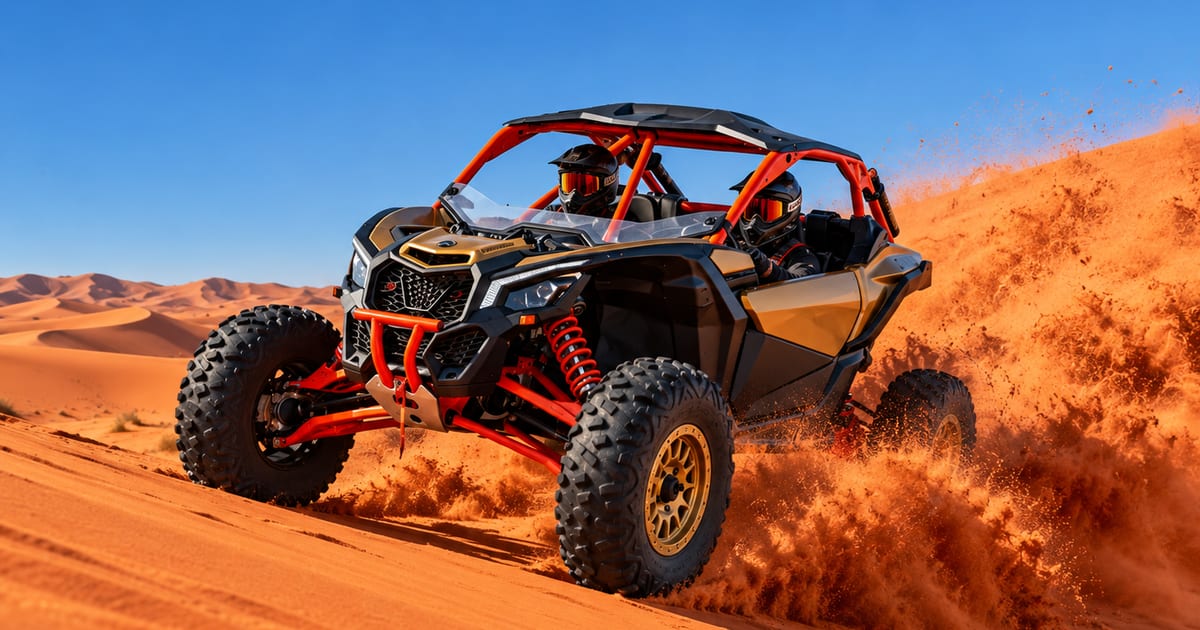
Another useful check is the balance between excitement and control. A riding day should not depend on speed alone. Terrain, scenery, pacing and clear rules all contribute to the experience. If the description focuses only on thrills and says little about preparation, take a moment to compare it with a clearer option. A professional approach does not remove the adventure. It gives the adventure a safer frame.
Dune Buggy Dubai can be a memorable way to see the desert, provided the booking fits the rider and the basics are checked in advance. Look at the vehicle, the gear, the route, the terms and the level of support. Read descriptions carefully, ask direct questions and trust clear answers. When those pieces line up, the day is far more likely to feel smooth from the first briefing to the final stop.